
Overview
We Catch What Surveyors Miss
A marine survey is a crucial and necessary step for any vessel transaction or insurance renewal. A general surveyor does an excellent job assessing structural integrity, hull condition, deck hardware, and the broad mechanical state of the boat. What a general survey typically does not do is go deep into the electrical system. The wiring, connections, fusing, grounding, and protection devices that power everything aboard rarely receive the level of scrutiny they deserve.
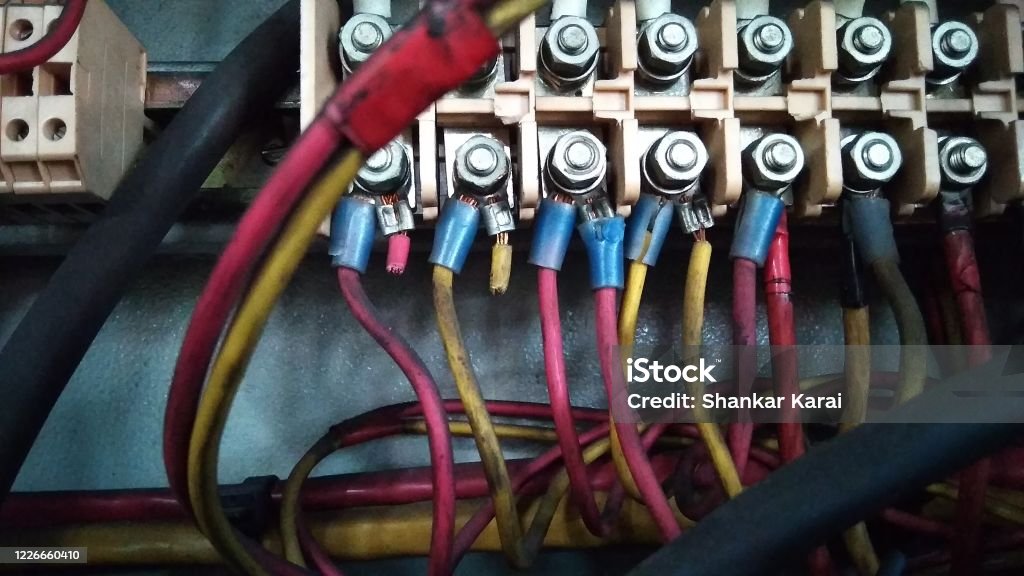
That gap matters because electrical problems on a boat range from minor inconveniences to genuine threats to life and property. At one end are intermittent "ghost" failures: a piece of equipment that works on some days and not others, a breaker that trips without an obvious cause, a VHF that produces static at anchor. These are frustrating, and they are often symptoms of underlying corrosion or connection problems that will worsen with time. At the other end are active shock hazards, carbon monoxide risks from improperly grounded AC systems, and wiring faults that can start fires in enclosed bilge spaces.
Even a single corroded connection on a bilge pump circuit can be a serious safety issue. A pump that fails to activate during flooding because its ground connection has deteriorated does not announce the problem. The first sign may be water at the floorboards. We look specifically for these failure modes because they are common, they are easy to miss in a general inspection, and they are almost always straightforward to fix once identified.
We approach every assessment with objectivity and practical judgment. Our job is not to produce a long list of items that justifies the fee. It is to give the owner an accurate, prioritized picture of what is genuinely urgent, what is advisory, and what can reasonably wait. We want to give owners the information they need to be safe on the water and enjoy the boat without anxiety about what might be lurking in the bilge.
Who We Work With
The Inspection That Fits Your Situation
An electrical inspection is not a one-size-fits-all service. The goal and the scope shift depending on where you are in the ownership cycle. We have tailored our process to serve three distinct situations.
For Owners
Insurance and Ongoing Diligence
Most boat insurance policies contain a diligence clause. The language varies by carrier, but the substance is consistent: the owner is required to maintain the vessel in a seaworthy condition and to address known deficiencies in a timely manner. Failure to do so is one of the most common grounds on which an adjuster will deny a claim, particularly in cases where an electrical fault is alleged to have caused a fire, flooding, or personal injury.
A documented electrical inspection from a qualified technician creates a record of your diligence. If a claim arises, that report demonstrates that you took the vessel's electrical system seriously, had it professionally assessed, and acted on the findings. In disputes involving significant damage or liability, that documentation can be the difference between a paid claim and a denied one. The cost of an inspection is small compared to the potential exposure of an uncontested denial on a policy that was meant to protect a six-figure asset.
Even outside of insurance considerations, an inspection gives a current owner a clear baseline. Boat electrical systems age in ways that are not always visible. Insulation hardens and cracks. Connections oxidize. Shore power corrosion works its way through terminals over seasons of plugging and unplugging. A periodic inspection catches these changes before they become failures.
For Buyers
Know Before You Sign
Buying a boat is one of the more significant purchases most people make, and the electrical system is one of the least transparent parts of the transaction. A well-maintained hull can conceal decades of questionable electrical work that no structural survey will surface. Wiring added by previous owners, decommissioned equipment whose circuits were cut rather than removed, or a shore power inlet that has been leaking current into the water for years are all things that a buyer can inherit without knowing they exist.
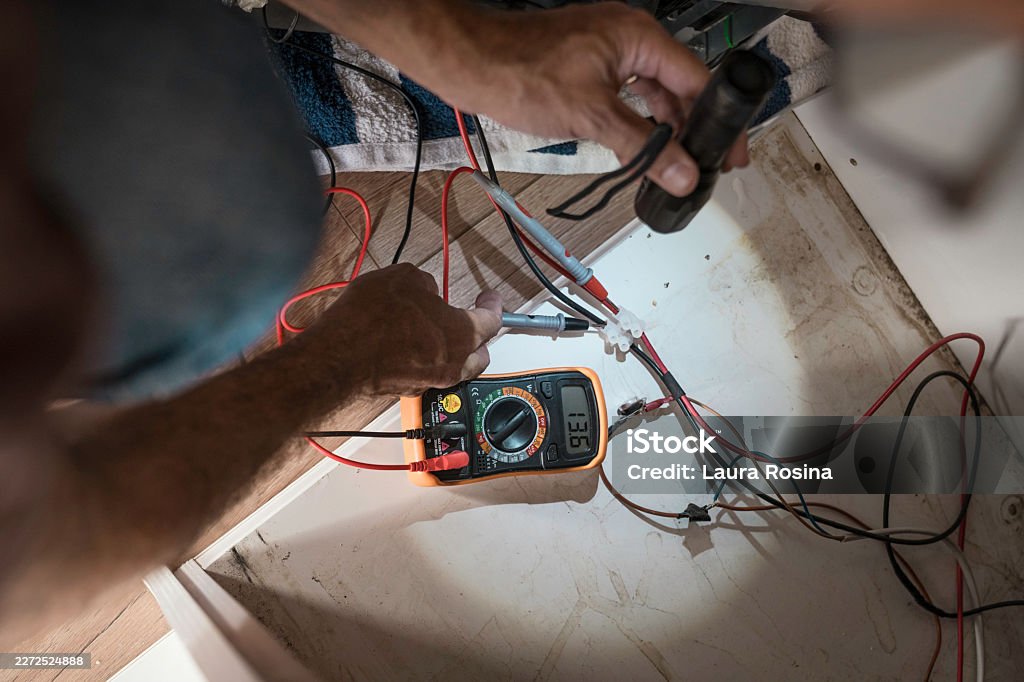
A pre-purchase electrical inspection gives you a clear picture of what you are actually buying. We produce a written report with every finding documented, severity rated, and repair cost estimated where possible. That report becomes a negotiating tool: a seller who knows the buyer has documentation of specific deficiencies has less leverage to hold price on those items.
There is also a practical insurance consideration for buyers. When ownership transfers, the new owner typically needs a new policy, and some carriers require a recent electrical inspection as a condition of coverage, particularly on older vessels or those above a certain value. We are familiar with those requirements and can structure the report to satisfy them.
What We Look For
- Active shock and fire hazards requiring immediate attention
- Wiring that does not meet ABYC minimum standards for wire gauge, fusing, or protection
- Abandoned circuits, orphaned wiring, and equipment removed without proper decommissioning
- Shore power leakage current that indicates galvanic isolation failure
- Battery condition and charging system health
What You Receive
- Written inspection report with findings prioritized by severity
- Photographs of each identified deficiency
- Plain-language description of each issue and its implications
- Estimated repair scope so you can factor costs into the offer
For Sellers
Go to Market with Confidence
Selling a boat is often an emotional process. You know the vessel, you trust the vessel, and it can be difficult to anticipate or accept the level of scrutiny a serious buyer will bring. Buyers in the current market are thorough. They arrive with surveyors, they ask detailed questions, and they push hard on any deficiency that surfaces during the process. Being unprepared for that scrutiny costs sellers time, money, and in some cases the sale itself.
A pre-listing electrical inspection puts you in a fundamentally different position. You know what the vessel's electrical system looks like before the buyer's surveyor arrives. Minor deficiencies that would show up in a buyer's report can be corrected beforehand, removing leverage from the negotiation. Items that are in good condition can be documented and cited with confidence.
There is also a market positioning benefit. A seller who can hand a prospective buyer a recent, signed electrical inspection report from a qualified marine technician is presenting a better-documented vessel than the competition. In a market where buyers have many options, that level of transparency builds trust and reduces the friction that kills deals in the due diligence phase.
In some cases, a pre-sale inspection and a targeted set of repairs can turn a vessel that was difficult to price competitively into one that commands full ask. The cost of the inspection and the repairs is typically recovered in the sale price.
Summary
The Intel You Need, Whatever Your Situation
Whether you are a long-time owner who has not had the system professionally assessed in years, a buyer doing your due diligence on a vessel that looks right on the surface, or a seller preparing to go to market with confidence, an electrical inspection gives you the information to act from a position of knowledge rather than assumption.
Boat electrical systems do not fail dramatically and all at once. They deteriorate quietly, connection by connection, over years of use and exposure. The problems that matter most are the ones you do not know about. We find them, document them clearly, and give you a straightforward path to addressing them. Whether you are a seasoned sailor or new to boat ownership, we have you covered.
Schedule an inspection
Tell us about the vessel and your situation, whether you are buying, selling, or maintaining. We will schedule a time to come aboard and get you a written report you can act on.
Talk to Us